ROJI
Daily in-shower face wash · 150ml

The scent comes from
the tea. Not from fragrance.

ROJI is a daily face wash for skin that reacts. We took the water out and replaced it with steam-distilled Uji hojicha — roasted Japanese tea.

It smells like something because roasted tea smells like something. Not because we added fragrance.

0synthetic fragrance
0essential oils
0sulfates & PEGs
0acids & retinoids
Reserve yours — $5, fully refundable

Refunded if we don't ship. Comes off the price if we do.

Fine facial-cleansing foam resting in an open palm

Micro-foam, dispensed through a double-mesh pump

Camellia sinensis branch, botanical illustration
The reason this exists

Why most nice-smelling skincare is a problem

Scent in skincare almost always comes from essential oils. Essential oils contain monoterpenes — most commonly limonene and linalool.

On contact with air, light and heat, those molecules oxidise into hydroperoxides. Hydroperoxides bind to proteins in your skin, and your immune system starts treating them as something to fight. That is the mechanism behind a large share of allergic contact dermatitis from cosmetics.

In most scented skincare O₂ air, light, heat OOH
Limonene · C₁₀H₁₆ → limonene hydroperoxide

Monoterpene

The double bonds are what make it smell — and what let oxygen attack it. The oxidised form is the sensitiser, not the fresh oil.

In ROJI N N O₂ ×
2-ethyl-3,5-dimethylpyrazine · C₈H₁₂N₂

Alkylpyrazine

An aromatic ring with two nitrogens, made by the Maillard reaction when tea is roasted. No hydroperoxide-forming chemistry. It is what roasted tea smells like.

6.9% and 5.2% In 2,900 dermatitis patients patch-tested across six countries, 6.9% reacted to oxidised linalool and 5.2% to oxidised limonene — two of the most common scent molecules in skincare.
Bråred Christensson J, Karlberg AT, Andersen KE, et al. Contact Dermatitis 2016;74(5):273–80. doi:10.1111/cod.12545

Roasting tea leaves at 160–180 °C produces alkylpyrazines instead — the same class of molecule that gives bread crust and coffee their smell. They don't carry the chemistry that turns into sensitising hydroperoxides.

So we built the entire water phase out of them. That is the whole product.

Where this sits

You've had two options. Neither works.

Clinical brands are safe and joyless. Luxury brands are pleasant and full of the compounds that cause the reaction. Most people with reactive skin end up buying the boring one and quietly resenting it.

Clinical
drugstore
Scented
luxury
ROJI
Scent sourceNone, or masking fragranceEssential oilsRoasted-tea pyrazines
Water phaseWaterWater + fragrance100% hojicha hydrosol
SurfactantConventional syntheticVaries, often blendedSingle amino-acid system
Target pHVariesOften alkaline5.0–5.5
Acids / retinoidsSometimesOftenNone
Safety panelStandard, healthy skinStandard, healthy skinReactive-skin panel
ExperienceFunctionalPleasant, riskyPleasant, by design

Columns describe category conventions, not any specific brand. Formulations vary widely within each.

The formulation

No acids. No retinoids.
Nothing that stings.

We're not going to tell you this brightens, resurfaces, or does anything about fine lines. That's deliberate, and it's the point.

AHAs and BHAs flare reactive skin. L-ascorbic acid stings on a compromised barrier. And a retinoid in something you rinse off after sixty seconds is just an expensive ingredient going down the drain.

Uji hojicha hydrosol — the entire water phase
Sodium cocoyl alaninate — amino-acid surfactant
Barrier complex — ceramide NP, panthenol, allantoin, Cica, Tremella
Humectants — glycerin, multi-weight hyaluronic acid
Preservation & pH

Proportions are indicative of the formulation approach, not a final manufacturing specification. No bench sample has been produced yet.

Acid mantle
Bar soap ~9–10 ROJI 5.0–5.5
pH 357911

Healthy skin sits slightly acidic. Alkaline cleansers push it out of range, and on a compromised barrier it takes longer to come back. ROJI is formulated to land inside the skin's own range rather than above it.

Technical diagram of the 150ml ROJI foamer bottle

Drawing, not a photograph — the pilot bottle has not been produced yet.

Water phase100% steam-distilled Uji hojicha hydrosol. No added water.
SurfactantSodium cocoyl alaninate — an amino-acid system, not a sulfate one
Target pH5.0–5.5, the skin's own range
Barrier supportCeramide NP, panthenol, allantoin, multi-weight hyaluronic acid, Tremella, Cica
Format150ml micro-foam through a double-mesh mechanical pump
UseDaily, in the shower. 60–120 seconds, then rinse.
Bottle lifeAbout 2.5 months at two pumps a day
Provisional ingredient list

Aqua (Uji Hojicha Steam Distillate), Glycerin, Sodium Cocoyl Alaninate, Coco-Glucoside, Panthenol, Allantoin, Ceramide NP, Sodium Hyaluronate, Hydrolyzed Hyaluronic Acid, Tremella Fuciformis Sporocarp Extract, Centella Asiatica Extract, Avena Sativa (Colloidal Oat) Kernel Flour, Butylene Glycol, Citric Acid, Sodium Citrate, Sodium Phytate, Sodium Benzoate, Potassium Sorbate.

This list is provisional and will change. No manufacturer has produced a bench sample yet. The finished, audited INCI goes to everyone on this list before anyone is asked to pay a full price. If a supplier can't hit a line on this spec, we'll tell you which one and why.

Daily use

Sixty seconds, in the shower you were taking anyway

01

Two pumps

The double-mesh pump makes a dense micro-foam, so it spreads without the friction a cream or gel needs. You're not dragging anything across your face.

02

Leave it 60–120 seconds

Shower steam carries the roasted-tea aroma while the foam sits. Warm water, around 37–38 °C — not hot. Hot water dilates facial vessels, which is the last thing this skin needs.

03

Rinse

The amino-acid system rinses clean without stripping. Skin is left soft rather than tight, which is what the barrier ingredients are there to support.

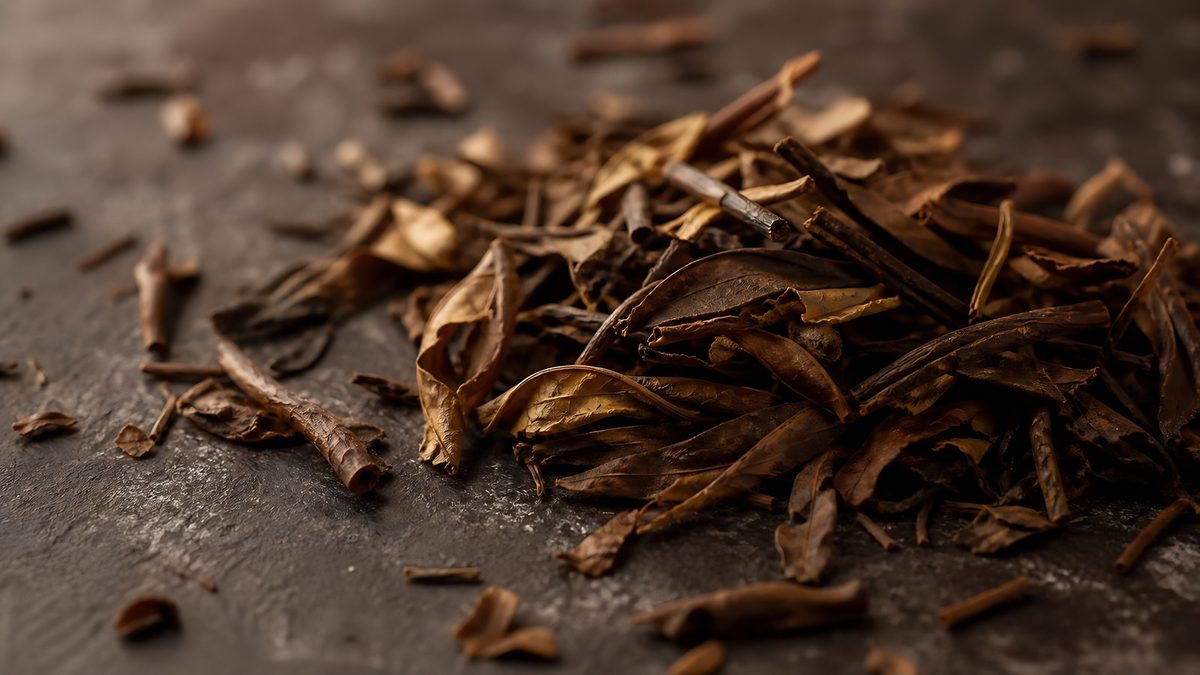
Loose roasted hojicha leaves in warm side light

Roasted at 160–180 °C. That is where the aroma comes from.

Where we actually are

ROJI isn't made yet. There's no inventory in a warehouse and no bottle we can send you today.

We're taking $5 refundable reservations so we know how much to make, and so we're not guessing at a number and then eating it.

Before anything ships, it gets safety-tested on a panel of people with reactive skin — not the standard panel on healthy skin that most brands run. That test costs several thousand dollars and it's the line in our budget we're least willing to cut, because a standard panel doesn't tell you much about the people this is for.

If we don't ship, you get your $5 back. If we do, it comes off the price.

Why we're building this

My cousin has a shelf of half-used bottles

Milan Au, co-founder of ROJI
Milan Au · Arashiyama, Kyoto

Three of them stung. Two she keeps because they smell nice, so she uses them on her arms instead. She learned to read the back of the box before the front, and she stopped believing brands that told her their product was gentle.

The thing that always got me is that she wasn't asking for much. She wanted something that didn't hurt and wasn't joyless. Every product that was safe was boring, and every product that was pleasant had the fragrance in it.

So we went at the actual chemistry instead of the marketing. If the problem is that essential oils oxidise, use an aroma molecule that doesn't. Roasted tea already makes one. That's the whole idea, and everything else is engineering.

We're working with a small-lot cosmetics manufacturer in Japan to get there. It's slow, and we'd rather be slow than ship something that stings.

Milan Au Co-founder, ROJI
Questions

The ones worth answering

If it smells of tea, isn't that a fragrance?

Fair question, and the honest answer is that ROJI is not a fragrance-free product. It smells of roasted tea on purpose. The difference is where the smell comes from: pyrazines from roasting, rather than monoterpenes from essential oils. If you need a product with no scent at all, this isn't it — and we'd rather say so than sell you the wrong thing.

Is it a daily wash or a mask?

Daily. It's designed as your everyday face wash, used with a 60–120 second dwell in the shower rather than a ten-second lather. At two pumps a day, a 150ml bottle runs about two and a half months.

Will the hojicha stain anything?

No. Steam distillation carries the aroma compounds over and leaves the colour behind — the hydrosol comes off clear, not brown.

My skin reacts to almost everything. Will this be fine?

We can't promise that, and we won't. No cosmetic can be guaranteed non-reactive for everyone, and standard safety panels don't capture the most reactive skin — which is exactly why we're paying for a reactive-skin panel instead. What we can tell you is what's in it and what isn't, and we'll send the finished ingredient list before you're asked to pay a full price. Patch test on a small area first, as with anything new.

Why Japan?

Two reasons. Japanese formulators have worked with amino-acid surfactants since the chemistry was commercialised there, so stabilising an amino-acid micro-foam isn't a research project for them. And custom steam-distilled tea hydrosol is a domestic ingredient in Japan rather than an import, which makes every bench trial cheaper.

What does it cost, and when?

The pilot batch is priced at $50 for 150ml. We're finalising a 500-unit run with a manufacturer in Japan. We'll email you the audited ingredient list and real dates before anyone is charged the balance.

Why should I give you $5 for something that doesn't exist?

Because it tells us something an email address doesn't. A list of emails doesn't tell us whether anyone actually wants this at $50 — and we'd rather find that out now than after committing to a production run. It's refundable, in full, for any reason.

First allocation

Reserve yours

$50 · 150ml · daily in-shower face wash

A $5 reservation holds your place in the 500-unit pilot run and comes off the price. Fully refundable, any time, for any reason.

Refunded in full if we don't ship. No charge today beyond the $5.

You're on the list.

We'll email the audited ingredient list and real dates before anything is charged.